
Hardshell (hardside) and softshell (softside) luggage each do one thing better. Hardshell cases protect and secure your belongings better and are easy to wipe clean; softshell bags are usually lighter, more flexible, easier to expand and often cheaper. Here is how they compare and how to pick the right one for your trips.
Choose hardshell luggage if durability, protection, security and easy cleaning matter most, for example for business trips or fragile items. Choose softshell luggage if you want a lighter bag, exterior pockets and room to expand, or if you are on a tighter budget. Neither type is better for everyone.
Hardshell vs softshell luggage at a glance
| Feature | Hardshell | Softshell |
|---|---|---|
| Materials | Polycarbonate or ABS | Fabric |
| Durability | Resists punctures and tears, but can scratch and dent | More likely to tear on sharp objects or with rough handling |
| Weight | Often heavier | Usually lighter |
| Expandability and pockets | Limited; few or no exterior pockets | More expansion options and exterior pockets |
| Security | Often built-in locks and tamper-resistant zippers | Easier to cut or tamper with |
| Cleaning and weather | Wipes clean with a damp cloth | Fabric can stain and be damaged by water |
| Price | Often higher | Often more budget-friendly |
Hardshell luggage: pros and cons
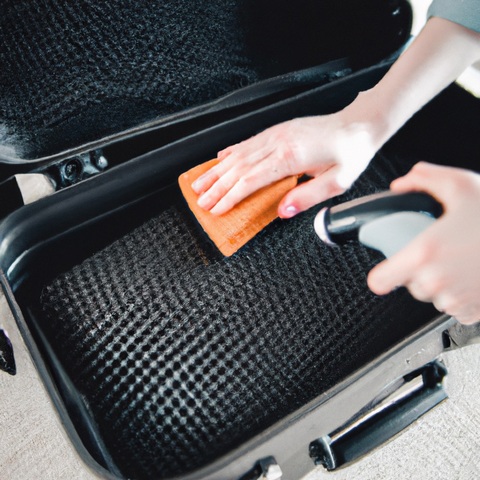
Hardshell cases are made from materials like polycarbonate or ABS. The rigid shell stands up to the rigors of travel and is less likely to be punctured or torn, so it shields what is inside. Cleaning is simple: wipe it down with a damp cloth after spills, stains or dirt. Many hardshell cases also come with built-in locks and tamper-resistant zippers.
The trade-offs are flexibility and weight. Hardshell cases usually have no exterior pockets and little room to squeeze in extra items, which is frustrating if you tend to overpack. They are not scratch- or dent-proof and will show wear over time, especially after rough handling. They are also often heavier than softshell bags, which eats into your baggage allowance. If weight is a concern, see our tips on how to make your suitcase lighter.
What we like
- Durable shell that resists punctures and tears
- Better protection for your belongings
- Easy to wipe clean
- Often has built-in locks and tamper-resistant zippers
Watch out for
- Limited expandability and few exterior pockets
- Can scratch and dent over time
- Often heavier than softshell luggage
Softshell luggage: pros and cons
Softshell luggage is light and flexible, so it is a good choice if you want to pack as much as possible without going over weight limits. Most of the bags in our guide to the best lightweight 29-inch luggage are softside. Softshell bags usually offer more expansion and exterior pockets for things you need during the trip, and the fabric absorbs impact and adapts to the shape of your belongings.
On the downside, fabric is more likely to tear on sharp objects or with rough handling. It can stain and be damaged by water, so take care with liquids and spills. Softshell bags are also generally less secure, because they are easier to cut through or tamper with.
What we like
- Lightweight and flexible
- More expandability and exterior pockets
- Absorbs impact and adapts to what you pack
- Often more budget-friendly
Watch out for
- Less durable; can tear
- Fabric can stain and be damaged by water
- Easier to cut or tamper with
How to choose between hardshell and softshell luggage
- Type of travel: business travelers often prefer the sleek look of hardshell luggage, while adventure travelers may prefer the flexibility of softshell.
- Destination and weather: if you are heading somewhere rainy or snowy, a fabric bag’s sensitivity to water may be a concern.
- Packing style: if you want quick access to your things or extra room for souvenirs, softshell pockets and expansion help.
- Fragile items: a hardshell case offers more protection. In a softshell bag, add packing cubes or protective sleeves.
- Budget: softshell luggage is often the more budget-friendly option.
Hardshell vs softshell luggage: the verdict
There is no one-size-fits-all answer.
- Pick hardshell if durability, security and easy maintenance are your priorities.
- Pick softshell if low weight, flexibility and expandability matter more.
FAQ
Can hardshell luggage withstand rough handling by airlines?
Yes, hardshell luggage is generally more resilient when it comes to withstanding the rigors of airline travel. Its rigid exterior provides a protective barrier for your belongings, reducing the risk of damage from rough handling. However, it’s essential to note that no luggage is entirely indestructible, so proper packing and handling care are still advisable.
Are softshell suitcases more spacious than hardshell ones?
Softshell suitcases often offer more interior space due to their flexible design. They can expand to accommodate extra items and typically have additional pockets for better organization. If maximizing packing capacity is a priority for you, softshell luggage may be the better choice.
How do I maintain and clean hardshell luggage?
Maintaining hardshell luggage is relatively straightforward. We do have a guide on how to clean polycarbonate luggage. To clean it, use a soft cloth or sponge with mild soap and water to wipe away dirt or stains. Avoid abrasive materials that could scratch the surface. For scratches or scuffs, some luggage brands provide touch-up kits. Regular cleaning will help keep your hardshell luggage looking its best.
Can softshell luggage protect fragile items effectively?
Softshell luggage can protect fragile items to some extent, but it may not offer the same level of protection as hardshell luggage. If you’re carrying delicate items, consider using packing cubes or protective sleeves to add an extra layer of cushioning within your softshell luggage.
Are hardshell suitcases more secure against theft?
Hardshell suitcases often come with built-in security features like combination locks and tamper-resistant zippers, making them more secure against theft compared to most softshell options. However, keep in mind that determined thieves can breach any luggage type, so it’s essential to remain vigilant and follow security best practices.
Which luggage type is better for long trips with lots of souvenirs?
For long trips with numerous souvenirs or extra items, softshell luggage may be more accommodating due to its expandability. However, consider the durability and protection offered by hardshell luggage if you plan to transport fragile souvenirs.
Can I use both hardshell and softshell luggage for carry-on?
Yes, both hardshell and softshell luggage can be used as carry-ons, provided they meet the airline’s size and weight restrictions. Many travelers prefer using hardshell carry-ons for their durability and security, while others opt for softshell carry-ons for their lightweight and flexible nature.

- Best Duffle Bags: Top 3 Picks for Gym, Travel & Waterproof Use - May 3, 2026
- Samsonite Evolve SE: The Ultimate Travel Companion - November 2, 2023
- US Traveler Luggage Review – The Boren Collection - September 10, 2023